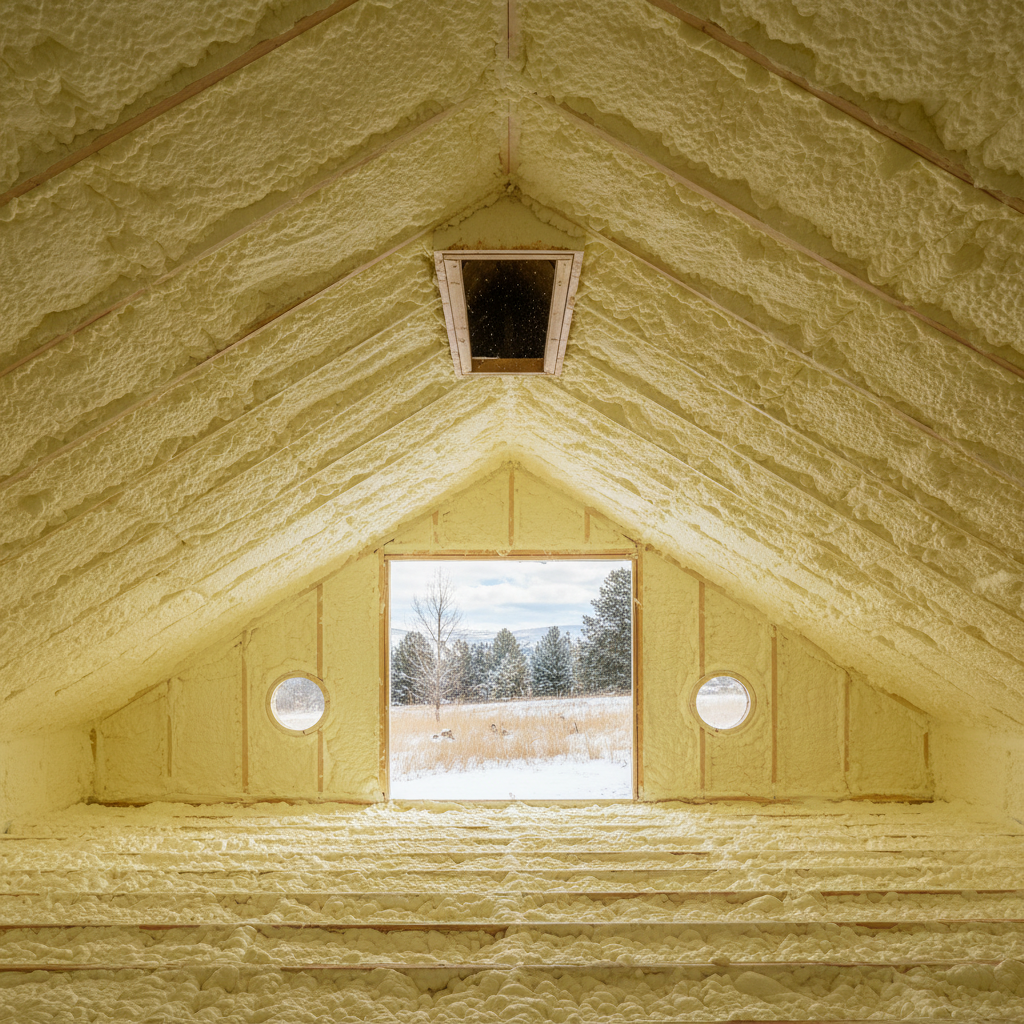
You're looking at open cell spray foam for your home, right? Smart move. It's an incredible insulator, especially here in Meridian where we get those hot summers and sometimes surprisingly cold winters. But like any major home improvement, timing and understanding your local climate are key to getting the most out of it. Let's talk about what that means for open cell spray foam.
When's the Best Time to Schedule Open Cell Spray Foam?
Honestly, you can install open cell spray foam pretty much any time of year, but some seasons are definitely easier on everyone involved. For us installers, and for you, the homeowner, spring and fall are often ideal. Why?
- Spring (March-May): The weather's usually mild. We're not battling freezing temperatures that can affect foam expansion, and it's not so hot that the chemicals cure too fast. Plus, getting it done in spring means your home is perfectly sealed and ready for those brutal Meridian summer heatwaves. You'll feel the difference immediately when the AC kicks on.
- Fall (September-November): Similar to spring, fall offers temperate conditions. It's a great time to get your attic or crawl space insulated before the winter chill really sets in. You'll be thanking yourself when those heating bills arrive.
- Summer (June-August): We do plenty of installations in the summer. The main thing is managing the heat. The foam itself generates heat as it cures, so good ventilation is even more critical. We're also often working in attics that can hit 130-140 degrees, so our crews need more breaks. It's doable, but it can be more intense.
- Winter (December-February): This is probably the trickiest season. While the foam itself can be applied in colder temps, the surfaces it's applied to need to be above a certain temperature for proper adhesion and curing. If your attic or crawl space is consistently below 40-50 degrees, we might need to use temporary heaters to bring the surface temperature up. This adds a little more time and complexity to the job. We also have to be extra careful with moisture, as cold surfaces can sometimes have condensation issues.
Weather Conditions That Affect the Work
Beyond just the season, specific weather conditions can impact our ability to install open cell foam. We're always watching the forecast for a few things:
- Extreme Cold: As I mentioned, very cold surfaces can be an issue. The chemicals in open cell foam are designed to react and expand within a specific temperature range. If it's too cold, the foam might not expand properly, leading to a less effective seal. We'll always check surface temperatures before we start spraying.
- High Humidity: Open cell foam is water-blown, meaning it uses water to help it expand. While it's generally fine, extremely high humidity combined with cold surfaces can sometimes lead to issues with proper curing. It's not a common problem here in our dry climate, but it's something we're always aware of, especially if we get a rare stretch of really damp weather.
- Rain/Snow: This mostly affects exterior work or if we need to access parts of your home that are exposed to the elements. We can't spray if there's active precipitation that could get on the surfaces or into the foam itself before it cures. For interior work, it's less of a concern, but we still need to ensure our equipment stays dry.
- Wind: Strong winds, especially if we're working near open vents or in a partially open structure, can affect how the foam cures and can also cause overspray. We take precautions, but sometimes high winds mean we have to reschedule for safety and quality reasons.
Protecting Your Open Cell Spray Foam Investment Year-Round
Once your open cell spray foam is in, it's pretty low maintenance, which is one of its big advantages. But here are a few things to keep in mind:
- Don't Disturb It: Once it's cured, leave it alone. Don't try to poke at it, compress it, or cut it unless absolutely necessary for future work (like running new wiring). If you do need to make a modification, give Spray Foam Pros of Meridian a call, and we can advise on the best way to do it without compromising your insulation.
- Keep it Dry: Open cell foam is vapor-permeable, meaning it can absorb some moisture if exposed to standing water or persistent leaks. It's crucial to address any roof leaks, plumbing issues, or foundation moisture problems promptly. The foam itself won't be damaged by a little humidity, but continuous water exposure isn't good for any insulation.
- Ventilation: For attic applications, especially in our Meridian homes that often have older, less-than-perfect ventilation, we ensure proper ventilation is in place before we spray. This prevents moisture buildup in the attic space itself. If you've got an unvented attic assembly, that's a different story, and the foam is designed to handle that.
- Pest Control: While spray foam isn't a food source for pests, mice, rats, and insects can sometimes tunnel through it if they're determined. It's a good idea to maintain general pest control around your home, especially in crawl spaces or attics, to prevent any unwelcome visitors from trying to make a home in your insulation.
Ultimately, open cell spray foam is a fantastic investment for comfort and energy savings in our climate. Knowing what to expect with the seasons and how to keep it performing its best will ensure you're happy with it for decades to come.