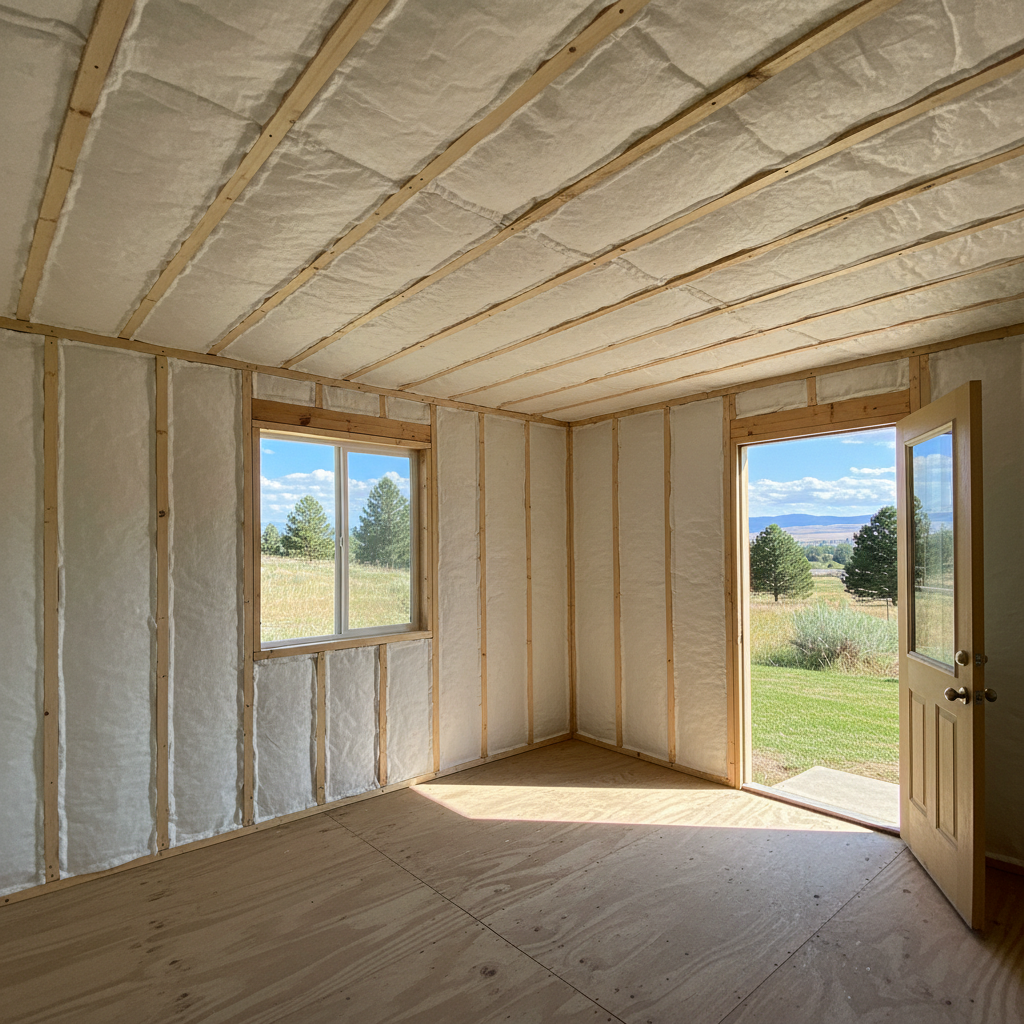
So, you've got a shed out back, and you're tired of it being an oven in July and an icebox in January. You want to insulate it, and that's a smart move. A well-insulated shed isn't just for comfort; it protects your tools, makes it a viable workspace, or even a quiet retreat. But like any home improvement, it pays to plan it right. Here’s a rundown of what you should expect and how to get ready.
Setting Your Project Timeline
Don't just jump into this. A good shed insulation project usually takes a few weeks from initial thought to completion, maybe more depending on how busy contractors are. First, you'll spend some time researching materials and contractors. You'll want to get a few quotes, which can take a week or two for companies to come out, assess, and get back to you. Once you pick a contractor, they'll schedule the work. Depending on the size of your shed and the insulation type, the actual installation might only take a day or two, but getting it on the books could be another 2-4 weeks out, especially during peak seasons like spring or fall when everyone's doing home improvements around Meridian.
Think about the weather too. You don't want to be doing this in the middle of a major heatwave or when we're getting those heavy winter snows. A mild, dry week is ideal for installation, especially if you're using spray foam, as it needs good ventilation during application.
What to Expect During the Insulation Process
When the crew shows up, they'll usually start by prepping the area. This means making sure the shed is empty or that anything left inside is covered and protected. If you're going with spray foam, like what we do at Spray Foam Pros of Meridian, they'll set up their equipment, which includes hoses running from a truck or trailer to your shed. It can be a bit noisy during application, and there will be a distinct odor for a while, so make sure you've got good ventilation plans.
They'll spray the insulation onto the walls, ceiling, and sometimes the floor. It expands quickly, filling every nook and cranny. Once applied, it needs time to cure. This usually takes a few hours, but the odor might linger for a day or two. Open cell foam is a bit softer and more flexible, while closed cell is denser and provides a vapor barrier. Your contractor should explain which is best for your shed's specific use and construction.
How to Prepare Your Shed for Insulation
Preparation is key to a smooth project. You don't want to be scrambling the morning the crew arrives. Here's what you need to do:
- Empty it out: Get everything out of the shed. Tools, boxes, garden equipment – everything. If it's too big to move, like a workbench, make sure it's completely cleared off and pushed away from the walls.
- Clean up: Sweep out any dirt, dust, cobwebs, and debris. The insulation needs a clean surface to adhere properly.
- Seal any major gaps: Before insulation, check for any big holes or cracks in the shed's exterior. You want to seal these up to prevent drafts and pests. Insulation helps, but it's not a magic bullet for structural issues.
- Address moisture: If you have any leaks or moisture problems, fix them before insulating. Trapping moisture inside can lead to mold and rot, completely defeating the purpose.
- Plan for ventilation: Even with insulation, good airflow is important. Think about adding vents if you don't have them, especially if you're storing anything sensitive to humidity.
Questions to Ask Before Signing a Contract
Don't just go with the first quote. Ask these questions to make sure you're getting a good deal and a reliable contractor:
- What type of insulation do you recommend for my shed and why? (Open cell vs. closed cell, R-value, etc.)
- Can you provide a detailed breakdown of the costs? (Materials, labor, any prep work they'll do, cleanup.)
- What's the estimated timeline for completion once the work starts?
- Do you handle disposal of any old insulation or debris?
- What kind of warranty or guarantee do you offer on your work and materials?
- Are you licensed and insured to work in Meridian? (Always check this!)
- Can you provide references from other shed insulation projects you've done?
- How do you handle ventilation during and after the spray foam application? (Especially important for safety and odor control.)
- What preparation do I need to do before your crew arrives? (Confirming what you've already planned.)
Asking these questions upfront will save you headaches down the road. You want to feel confident in your choice. Insulating your shed is a great investment, making that space much more versatile and comfortable, whether it's for woodworking, storage, or just a quiet escape from the kids.