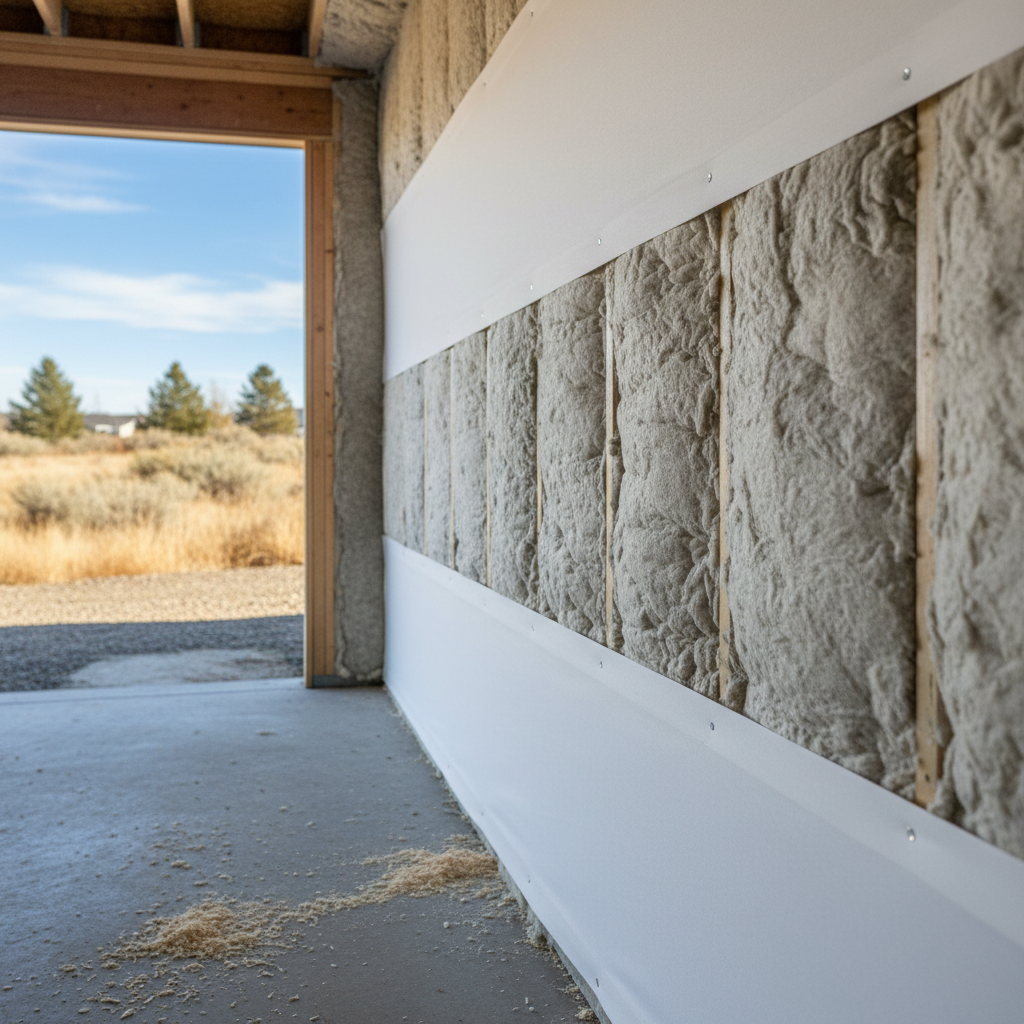
Your garage. For a lot of folks, it's more than just a place to park the car. It's a workshop, a storage area, a home gym, or maybe even where you've got your deep freezer humming. But if it's not insulated, especially here in Meridian with our hot summers and chilly winters, it's probably the least comfortable spot in your whole house.
I get a lot of questions about garage insulation, so I figured I'd tackle the most common ones right here. No fluff, just what you need to know.
Do I really need to insulate my garage?
Look, if you're only using your garage to park a car and nothing else, and you don't mind it being an oven in July or a freezer in January, then maybe not. But for most people, the answer is a resounding yes. An uninsulated garage acts like a giant thermal hole in your home's envelope. It lets heat pour in during the summer, making your adjacent living spaces hotter and forcing your AC to work overtime. In winter, it bleeds heat, making your home colder and your furnace run more. It's not just about comfort in the garage itself; it's about your whole home's energy efficiency and comfort.
What's the best type of insulation for a garage?
This is where it gets a little nuanced. There's no single 'best' for every situation. For garage walls and ceilings, especially if you're looking for maximum thermal performance and air sealing, I'm going to tell you that spray foam insulation is usually the top dog. It fills every cavity, seals air gaps, and gives you a fantastic R-value. Open-cell spray foam is a great option for walls and ceilings that aren't exposed to the outside elements directly. If you're on a tighter budget or just want to improve things without a full overhaul, fiberglass batts can work, but they won't seal air leaks like foam will. For garage doors, rigid foam boards cut to fit each panel are often your best bet. We've done plenty of garages with Spray Foam Pros of Meridian, and the difference is always night and day.
Can I insulate my garage door? Is it worth it?
Absolutely, and yes, it's definitely worth it. Your garage door is often the biggest uninsulated surface in your garage. Think about it – it's a huge piece of metal or wood that's directly exposed to the outside. Insulating it can make a massive difference in temperature regulation. You can buy insulation kits specifically designed for garage doors, which usually consist of rigid foam panels. They're pretty easy to install yourself if you're handy. Just measure each panel and cut the foam to fit snugly. It'll help keep the heat out in the summer and in during the winter, and it can even make your garage door operate a little quieter.
What about insulating the garage ceiling if there's a room above it?
This is a big one. If you have a bonus room, bedroom, or any living space directly above your garage, insulating that ceiling (which is the floor of the room above) is crucial. Without it, you're going to have cold floors in the winter and potentially hot floors in the summer in that upstairs room. For this application, spray foam is king because it provides excellent thermal performance and an airtight seal, preventing drafts and temperature transfer between the unconditioned garage and the conditioned space above. If you're building new or doing a major renovation, definitely prioritize this.
Will insulating my garage help with noise?
It sure will. Insulation, especially denser materials like spray foam or even some types of fiberglass, adds mass and helps dampen sound. If you've got a noisy workshop, or if you live on a busy street and want to reduce traffic noise getting into your house, insulating the garage walls and door can make a noticeable difference. It won't make it soundproof, but it'll definitely cut down on the echo and overall noise transmission.
Do I need to worry about ventilation if I insulate my garage?
You do need to think about it, especially if you're sealing things up tight. If you're using your garage for things like woodworking, painting, or anything that produces fumes, good ventilation is still essential. Insulating makes the space more comfortable, but it doesn't replace the need for fresh air when you're doing those kinds of activities. If you're just parking cars and storing stuff, and the garage isn't attached directly to your HVAC system, you probably don't need to overthink it, but always be mindful of carbon monoxide from running vehicles. A good exhaust fan can be a smart addition if you're going to be spending a lot of time in there working on projects.
What's the deal with insulating interior garage walls?
This is often overlooked. If your garage shares a wall with your living space – say, your kitchen or a bedroom – insulating that common wall is just as important as insulating exterior walls. It creates a thermal break between the unconditioned garage and your conditioned home. It also helps with soundproofing, which is a bonus if someone's running a loud tool or if you've got kids playing in the garage. For these walls, fiberglass batts are a common choice, but spray foam will give you superior air sealing and thermal performance, especially around electrical outlets and other penetrations. Here in Meridian, with our expansive clay soils, homes often settle a bit, which can create tiny cracks that let air through. Sealing those up with insulation makes a big difference.
Ultimately, insulating your garage is a smart investment in your home's comfort and energy efficiency. It's not just about the garage itself; it's about how your whole house feels and how much you're spending on heating and cooling.