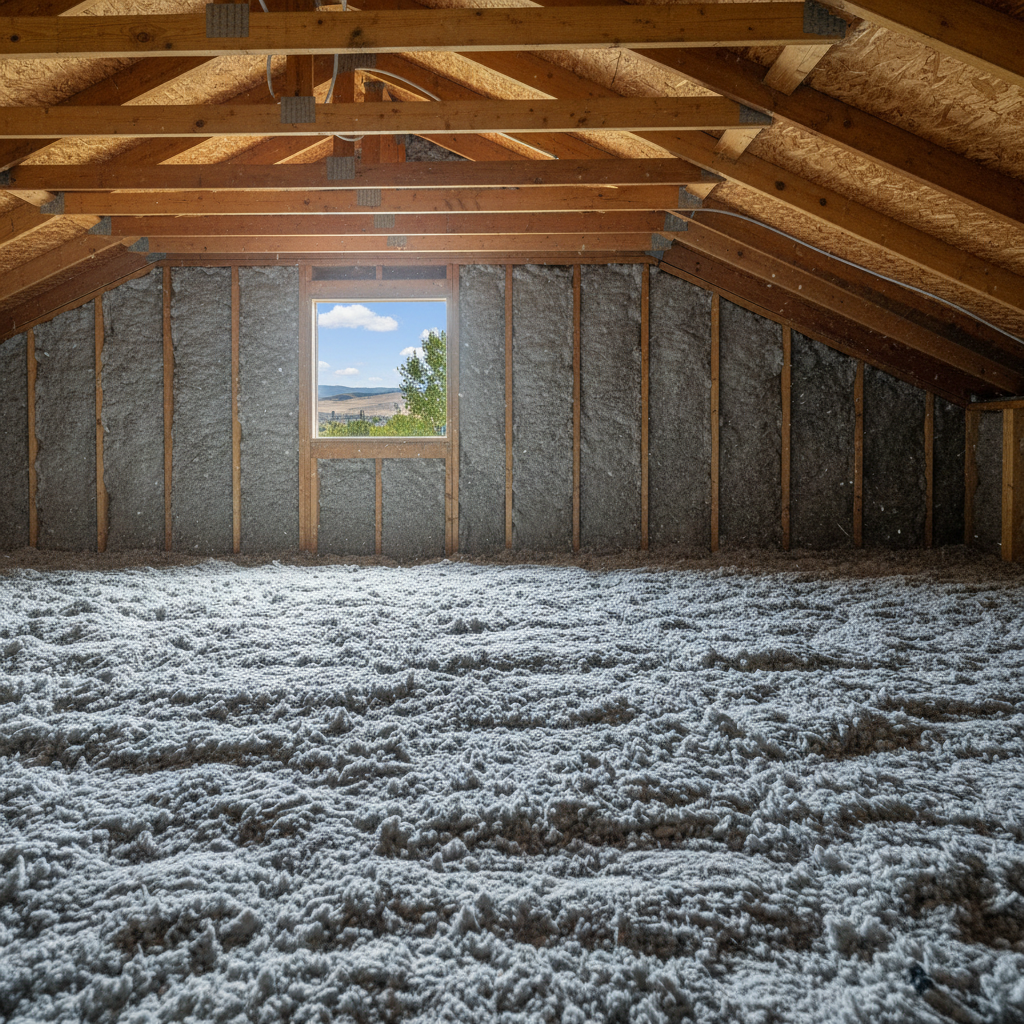
Alright, Meridian homeowners, let's talk about something that works hard for you every single day, often without you even thinking about it: your blown-in insulation. We install a lot of this stuff at Spray Foam Pros of Meridian, and honestly, it's a fantastic investment for keeping your home cozy in the winter and cool in our hot summers. But like anything else, it's not a set-it-and-forget-it deal. A little attention goes a long way in making sure it does its job for decades. It really does.
Extend Your Insulation's Lifespan: It's All About Protection
You want your blown-in insulation to last, right? Of course you do. The biggest threats to its longevity are moisture, pests, and any kind of disturbance. Here in Meridian, with our dry, hot summers and cold, sometimes snowy winters, those temperature swings can really put your attic and crawl spaces to the test. It's a challenging climate.
- Keep it Dry: This is probably the most important thing you can do. Blown-in insulation, especially cellulose, just doesn't like getting wet. Moisture can cause it to clump up, settle, lose its R-value, and even lead to mold — something nobody wants in their home. So, make sure your roof is in good shape. Check for leaks around vents and chimneys, and keep an eye on any plumbing lines running through your attic. Proper attic ventilation is key here too, especially with our temperature extremes, which can be pretty wild. You need good airflow to prevent moisture buildup and keep your attic temperatures closer to outside levels. If your attic feels like an oven in July or you see frost in January, your ventilation might be off. That's a clear sign.
- Pest Control is a Must: Rodents, birds, and insects absolutely love to nest in insulation. They can tunnel through it, compress it, and leave behind waste that degrades its performance and creates health hazards. It's a real mess. If you've got a pest problem in your attic or crawl space, get it handled by a pest control professional immediately. They can seal up entry points and remove any compromised material.
- Mind Your Attic Traffic: Try to minimize walking on or disturbing your blown-in insulation. Compression reduces its effectiveness, and that's not what you want. If you need to access something in the attic, use boards or planks to create a walkway and distribute your weight. It's a simple trick that helps a lot.
Regular Maintenance: Simple Checks You Can Do
You don't need to be an insulation expert to do some basic checks. I recommend doing a quick visual inspection of your attic once a year, maybe in the spring or fall when it's not too hot or too cold up there. It's usually more comfortable then, for you and for the insulation.
- Look for Even Coverage: Blown-in insulation should be relatively level and fluffy. If you see thin spots, areas where it's compressed, or places where it looks like it's been disturbed, that's a red flag. Something's not quite right.
- Check for Settling: Over time, some types of blown-in insulation, like cellulose, can settle a bit. If you notice the insulation level has dropped significantly, it might not be providing the R-value it should. This means it's not working as hard for you.
- Spotting Moisture: Look for any signs of water stains on the insulation itself, or on the wood surfaces below it. A musty smell is also a big indicator of moisture or mold. Trust your nose on this one.
- Ventilation Check: Make sure your attic vents (soffit and ridge vents) aren't blocked by insulation or debris. Good airflow is essential. It really is.
Warning Signs: When Something's Not Right
Your home will tell you when your insulation isn't doing its job anymore. Pay attention to these signals; they're trying to help you.
- High Energy Bills: This is often the first and most obvious sign. If your heating and cooling costs are steadily climbing without a clear reason, your insulation might be failing. That extra money could be staying in your pocket.
- Uneven Temperatures: Are some rooms noticeably hotter or colder than others? Do you have drafts even when windows and doors are closed? This points to inconsistent insulation coverage or air leaks. It's uncomfortable, to say the least.
- Ice Dams: If you're seeing ice dams forming along your roof edges in the winter, it means too much heat is escaping from your attic, melting the snow, and then refreezing at the colder eaves. This is a classic sign of poor attic insulation and ventilation. It can cause real damage.
- Pest Activity: Hearing scratching in the walls or attic? Seeing droppings? Pests can damage insulation quickly. And they don't clean up after themselves.
- Visible Damage: If you can see insulation that's wet, moldy, compressed, or completely missing, it's definitely a problem. This isn't something you can ignore.
When to Call a Professional
While you can handle basic visual checks, some issues really do require a pro. Don't hesitate to call us at Spray Foam Pros of Meridian if:
- You find significant moisture or mold: This needs to be addressed quickly and safely. We can assess the source of the moisture and recommend remediation, which often involves removing the compromised insulation.
- You suspect a major pest infestation: After the pest control folks do their job, we can come in to clean up, remove damaged insulation, and reinsulate. We'll get things back to normal.
- Your energy bills are consistently high, and you can't figure out why: We can perform an energy audit to pinpoint exactly where your home is losing energy. Sometimes it's not just the insulation, but air leaks that need sealing.
- Your insulation is old and settling: Blown-in fiberglass typically lasts 20-30 years, while cellulose can be similar. If your insulation is getting up there in age, it might be time for an upgrade, even if there are no obvious problems. It's just good preventative maintenance.
- You're planning major renovations: If you're opening up walls or your attic for other projects, it's a perfect time to assess and upgrade your insulation. It's a smart move to do it all at once.
Taking care of your blown-in insulation means taking care of your home. It'll keep you comfortable, save you money on those Idaho Power bills, and protect your biggest investment for years to come. It’s worth the effort.